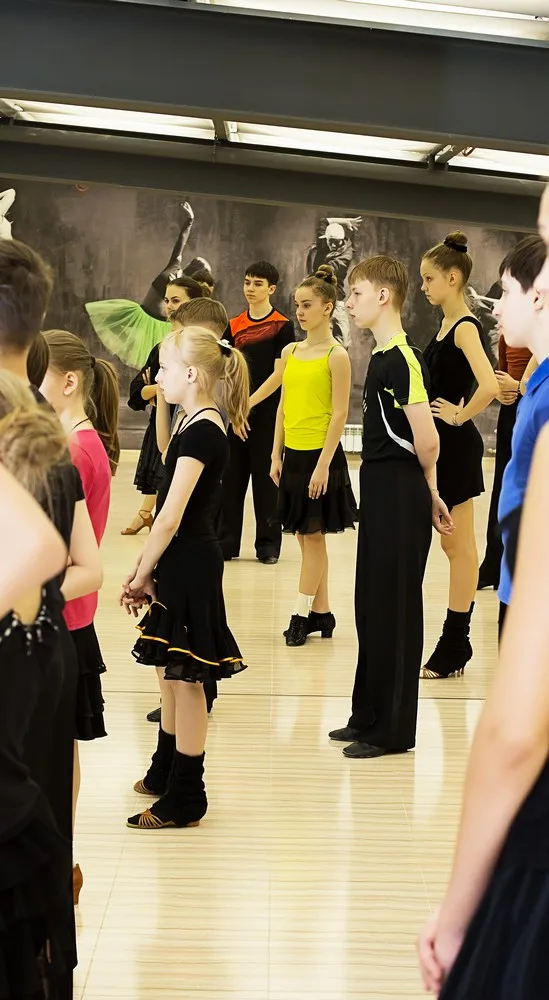
Dancing Lessons in Barnaul: A Local Guide to Finding the Right Class
Whether you’re looking to learn ballroom, Latin, hip‑hop, ballet or contemporary, Barnaul has an active dance scene. This guide helps you find the right studio, understand typical class formats and prices, and start confidently—whether you’re a complete beginner, a parent looking for kids’ classes, or an adult returning to dance.
Why take dance lessons in Barnaul?
— Improves fitness, coordination and posture.
— Great social activity — many studios hold weekly socials, performances or mini‑competitions.
— Wide variety: classical ballet schools, ballroom/Latin studios, commercial/hip‑hop classes, contemporary and fitness‑dance.
— Local community: affordable options and frequent starter courses make it easy to try multiple styles.
Types of classes you’ll commonly find
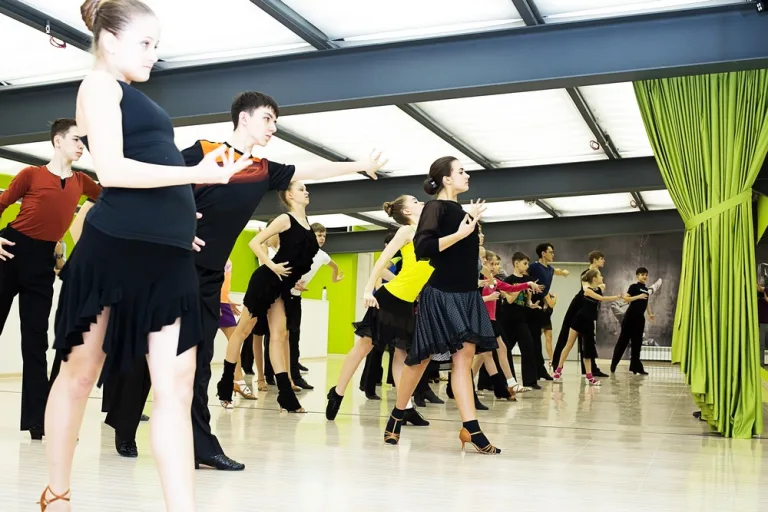
— Ballroom & Latin: standard technique, partner work, often with social dance practice.
— Ballet: classical technique for children and adults (pre‑professional to recreational).
— Hip‑hop / Street styles: urban choreography, freestyle, typically energetic.
— Contemporary / Modern: expressive movement, floorwork, technique and improvisation.
— Fitness dance / Zumba: cardio‑focused, easy entry for all fitness levels.
— Children’s classes: age‑grouped (toddlers, preschool, school age) with focus on coordination and fun.
— Private lessons: one‑on‑one coaching for faster progress or performance preparation.
How to find a good studio in Barnaul
Search and check:
— Use Russian search phrases: *«уроки танцев Барнаул»*, *«школа танцев Барнаул»*, *«танцы для детей Барнаул»*.
— Browse social networks: VKontakte groups, Instagram pages and local Telegram channels often post schedules, videos and student feedback.
— Read reviews and watch short videos of classes/performances to get a feel for teaching style.
Questions to ask before enrolling:
— What is the teacher’s background and experience? (competitions, certifications, teaching history)
— What is the student-to-teacher ratio in group classes?
— Are trial lessons or a trial week available?
— What is the cancellation/makeup policy?
— Do they hold regular practice nights, showcases or performances?
— Are there separate levels (beginner, intermediate, advanced)?
Typical pricing and scheduling (approximate)
— Group drop‑in classes: *about* 200–800 RUB per lesson (varies by studio and city location).
— Monthly unlimited/group packages: common at studios offering several classes per week.
— Private lessons: *about* 800–3000+ RUB per hour depending on instructor level.
— Children’s classes often sold as monthly packages with 1–3 lessons per week.
Note: Prices vary widely. Always confirm current rates with the studio.
What to expect at your first lesson
— Brief warm‑up and stretching.
— Basic technique and simple steps or short choreography.
— Partner work (for ballroom/Latin) may be rotated among students.
— Teacher feedback and small corrections.
— Short cool‑down and info about next class or homework.
What to bring:
— Comfortable clothing that allows movement.
— Appropriate footwear: sneakers for hip‑hop, jazz shoes or barefoot for contemporary, ballroom shoes for partner classes (many beginners start in clean, flat shoes).
— Water and a small towel.
Tips for beginners
— Start with a trial class before committing to a long package.
— Practice between classes even 10–15 minutes daily to build muscle memory.
— Don’t compare yourself to others; progress is individual.
— If it’s partner dance, communicate preferences with your partner and the teacher.
— Record a video of yourself occasionally to track improvement.
Kids and family options
— Look for age‑appropriate curricula and teachers experienced with children.
— Ask about performance opportunities and how the school manages recitals.
— Consider trial lessons for several studios to find the right atmosphere.
Safety, hygiene and COVID considerations
— Verify studio ventilation and cleaning policies.
— Check mask policies if relevant to your comfort level.
— Make sure teachers provide safe progressions to reduce injury risk.
Community, events and practice opportunities
— Many studios organize socials, open practices, showcases and small competitions — great for applying skills and meeting other dancers.
— Universities, cultural centers and parks sometimes host seasonal dance events and outdoor workshops.
Sample 4‑week beginner plan (example)
Week 1: Intro + basic steps, rhythm training, short choreography repeat.
Week 2: Build foundational technique, simple combinations, partner introduction (if applicable).
Week 3: Improve transitions and footwork, first short routine performance in class.
Week 4: Polish routine, feedback loop, attend a social/practice night.
Final checklist before you sign up
— Try a trial lesson.
— Confirm schedule fits your weekly routine.
— Understand pricing, makeup and cancellation rules.
— Check teacher credentials and watch class clips if available.
— Ensure the studio environment and culture feel welcoming.
If you’d like, I can:
— Suggest Russian search keywords and sample messages to send to studios.
— Draft a short checklist you can print and take to trial lessons.
Tell me which you prefer.